
Awards & Recognition for our DUI Defense



Trusted Legal Defense
When It Matters Most
A DUI arrest is a very serious matter. Any DUI conviction can result in jail time, loss of driving privileges, ignition interlock requirements, increased insurance rates, employment consequences, and financial uncertainty.
California DUI law is one of the most complex areas of criminal law in the State of California. Defending a DUI case requires expertise in the law. More important, defending a DUI case successfully requires expertise in the procedures that relate to DUI investigations and the scientific issues that surround blood and breath testing for alcohol, prescription medications, and drugs. You need an expert in DUI defense to defend your case.
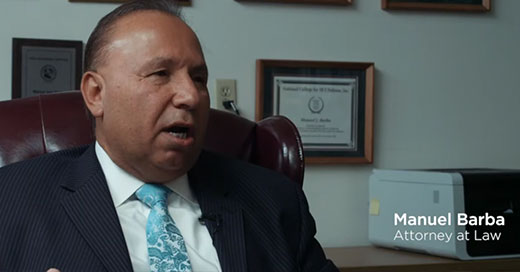
Attorney Manuel J. Barba is an expert in DUI defense, having been awarded the ACS-CHAL Forensic Lawyer-Scientist designation. In addition, Attorney Barba is an instructor in DUI investigations.
DUI-Criminal charges can have a major impact on your life – that’s why it’s important to secure an aggressive defense attorney on your behalf. While many firms will tout their years of experience, it takes more than that to win a case. Attorney Manuel J. Barba proudly distinguishes himself from other firms with a background firmly rooted in the sciences associated with defending a DUI case.


Meet Our Attorney
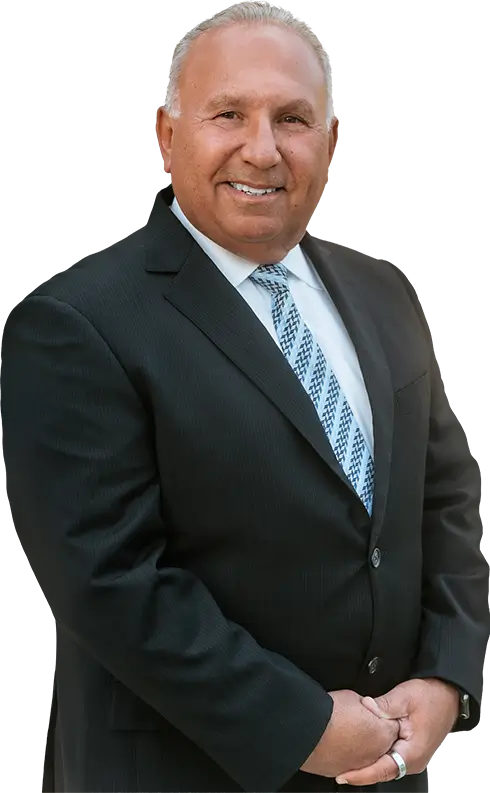
Manuel J. Barba
Attorney
Attorney Manuel J. Barba only does one thing. He provides professional & experienced DUI Defense for the California Criminal Courts and the DMV. Southern California DUI Defense Attorney Manuel J. Barba is an expert in DUI Defense and has dedicated his law practice to defending people accused of DUI for alcohol and/or drugs, as well as other driving related cases.
What Can A Lawyer with A Background in
Science Do for Me?
Arrested for DUI?
Recognized Among Riverside
and San Bernardino Counties’
Best in DUI Defense.
Two Separate Cases.
One Critical Defense Strategy
The Law Offices of Manuel J. Barba provides professional &
experienced DUI defense in Court and at the DMV.
Did you know that a sizable percentage of all DUI
arrests in California end up in something other than
a DUI conviction?
When Arrested for DUI, there are Two Independent Proceedings that You Must Deal With.
First, the DMV will act to suspend your driver license. You only have 10 days to request a DMV hearing. This hearing will determine the outcome of your driver license. If you fail to request a hearing within the first 10 days, you will waive your right to contest the suspension of your driver license, even if you are not guilty of DUI. Although the DMV hearing is separate and independent of the Court case, it is an important part of the DUI defense process.
Second, the District Attorney will file charges in Court having the goal to punish you for violating the law. It is essential to have a strong and effective defense strategy if you want to get the best resolution for your DUI case. In short, all the evidence related to the DUI investigation and chemical tests must be gathered and analyzed. Finding problems with the government’s evidence against you is crucial.
A thorough and effective DUI defense begins as soon as you have been arrested. There are issues and defenses that may not be obvious to lawyers that lack expertise. You need a lawyer that is dedicated and is an expert in DUI defense. In addition, you need a lawyer with a track record for success in resolving DUI cases to minimize the damage to your life and future.
Attorney Manuel J. Barba knows how traumatic and frightening being arrested for a DUI or other crime can be. The potential consequences can threaten your reputation, career, and freedom. When you entrust the Law Offices of Manuel J Barba with your case, we devote ourselves to developing an effective defense plan-of-action and reaching a favorable resolution for your case.
A Defense Attorney
Who ONLY Defends DUI
There are many choices when it comes to choosing a DUI Lawyer/Attorney to defend you in court and at the DMV. Our expertise in DUI defense and our level of commitment is what makes us different from the rest. We have both the legal and scientific knowledge required to effectively defend your DUI case in Court and at the DMV. Attorney Manuel J. Barba has spent years developing his DUI defense expertise. He has developed many strategic and successful defenses. Although each case we handle is unique, clients can always count on:

DUI Is All We Do, PERIOD!
Unlike most other attorneys, we only practice one thing – DUI Defense. Many attorneys that claim to defend DUI cases also practice other areas of the law. We ONLY defend DUI cases in the Courts and at the DMV. This is what we do, what we know, and more importantly this is the advantage we provide to our clients.

DUI Experience
Manuel J. Barba has been awarded the ACS-CHAL Forensic Lawyer-Scientist Designation. He is the ONLY DUI Defense attorney in Los Angeles, Orange, San Bernardino, Riverside, & Imperial County with this designation. This gives Barba the knowledge & expertise to defend against the prosecution’s chemical test results better than other DUI attorneys.

Local Attorney
Other attorneys claim to have offices and defend you all over California. The truth is you end up being represented by an “associated” lawyer, not the lawyer you thought you hired. We are located in the Riverside and San Bernardino County area, and we do not outsource our clients for a referral fee.

Peace of Mind
The mission of attorney Manuel J. Barba is to deliver peace of mind to each and every person that needs us. We’re committed to defending each client and making sure their rights are protected.

Aggressive Defense
Did you know there are many reasons breath and blood tests can be wrong? Attorney Manuel J. Barba examines all of the prosecution’s evidence against you, each leverage point is discovered, and every law enforcement action is questioned. No stone is left unturned in defending your case.

Exceptional Service
We don’t just promise excellent service, we deliver it. We have a case manager that monitors your case and is always available to answer your questions and keep you informed about progress.
What can a Lawyer with a
background in science do for me?
Proving blood alcohol, drug content, as well as other factors in DUI cases rely largely on scientific processes. From breath tests, blood tests, to other forms of evidence, your guilt or innocence will hinge on a variety of procedures that the average attorney only has a small understanding of. Fortunately for you, attorney Manuel J. Barba is not your average attorney.